The pledge page has become the Community Pot. If you pledged before, thank you: that support is still on record, and this is where it went next.
The Warren Community Pot
Instead of a tip, your gift directly supports The Warren's community food projects.
Every penny that comes in is ring-fenced for our community projects, like the volunteer days. Every penny that goes out is signed off by a named person and published on this page.
- given so far
- £75
- 8 gifts
- spent on the work
- £0
- in the pot now
- £75
Raising for now
Nothing particular yet. Everything in the pot goes to the community food work.
What it makes happen
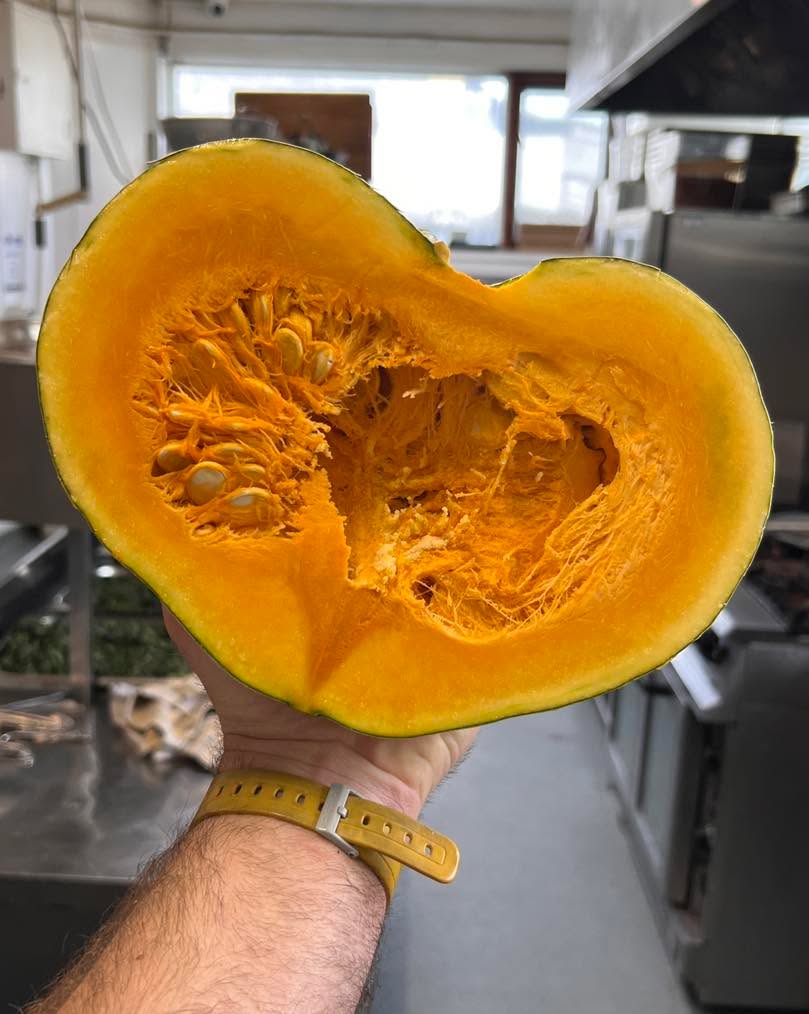
Gleaning, preserving, cooking, eating together.
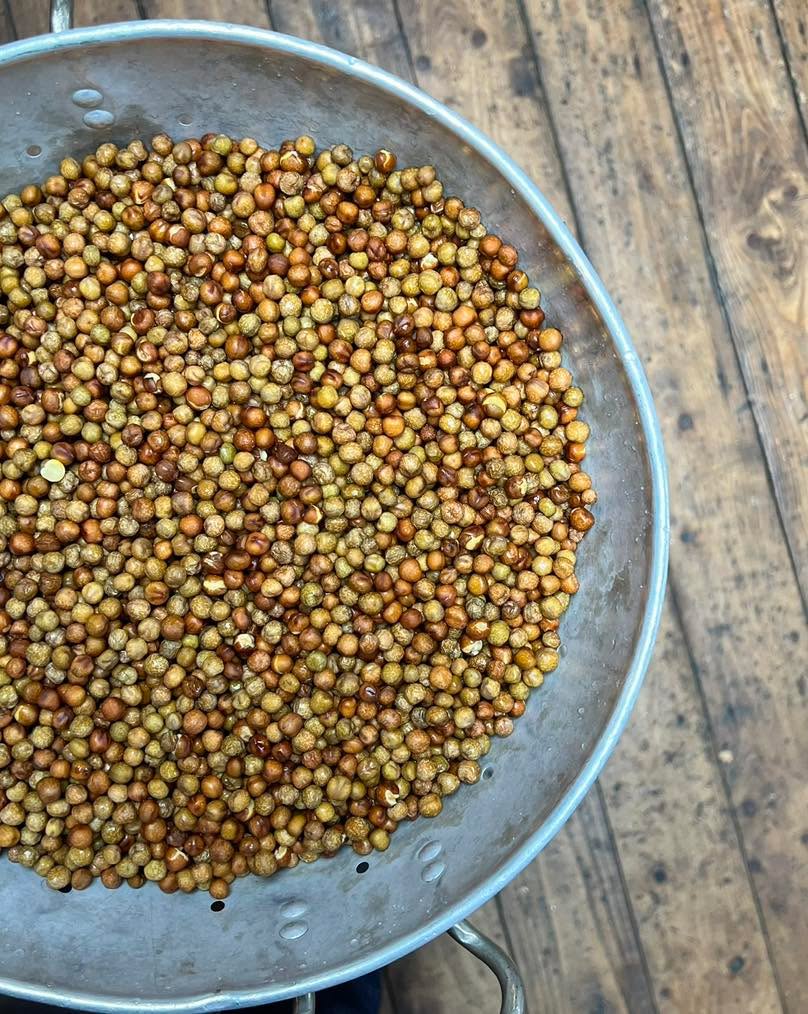
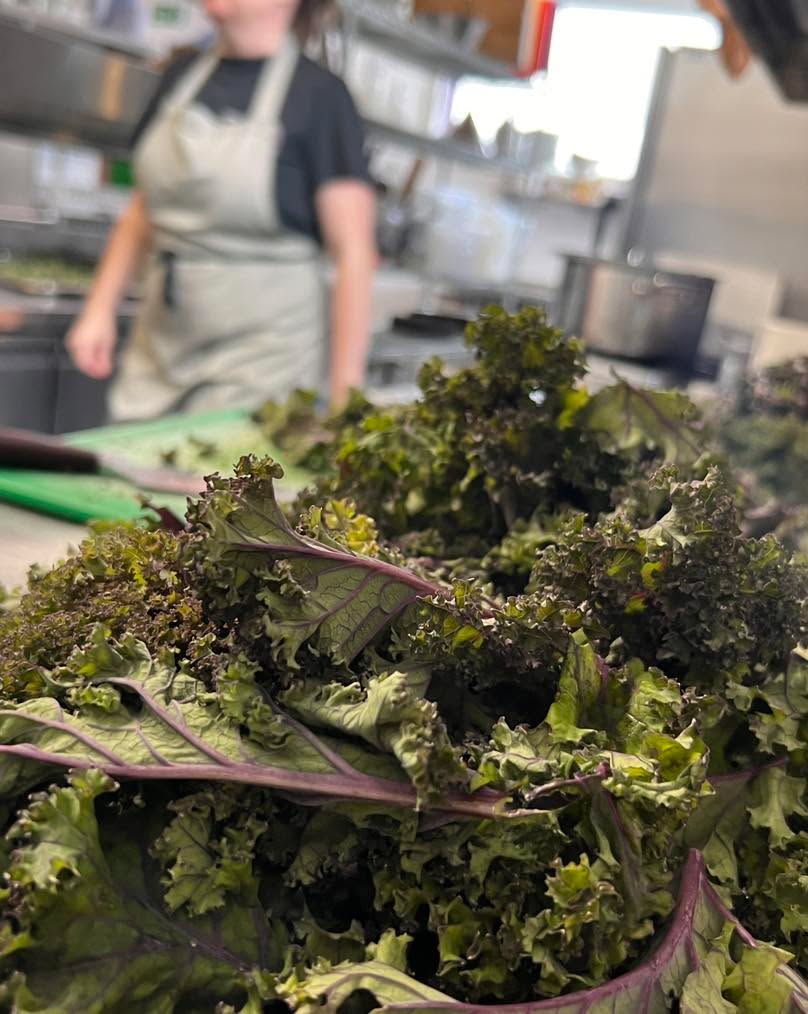
The volunteer days are open to anyone. No experience, just turn up.
Volunteer with usPut something in
Want to be part of it?
We are not a charity. This goes into The Warren's own bank account and is spent only on the community food work. We publish what comes in and what it pays for.
What a gift can do
- Running volunteer days
- Gleaning surplus vegetables from farms
- Processing fallen apples
- Learning skills and sharing meals
- Teaching people to cook
What it has paid for
Every pound out, and who said yes to it.
Nothing spent yet. The first thing it pays for will be listed here, with the name of whoever signed it off.
£75 is still in the pot.
Who is in
The people behind it.
- John O’Brien
- Harry Watts Great initiative!
- Robert Mudd
- Caitlin Bring back the magic :)
- Emrys Excited to see the developments x
- Berian Wine tasting would be nice.
and 2 more who gave without a name.
Where the money goes
- 1Into The Warren’s own bank account. We are a small company, not a charity.
- 2Only spent on the community food work and the volunteer days, never on the restaurant and never on wages or tips.
- 3Every line of spending is signed off by a named person and published on this page.